
Key Takeaways
Georgia landlords must understand security deposit rules around limits, storage requirements, deductions, and return timelines.
Security deposits can help protect landlords from unpaid rent, tenant-caused damage, and other eligible costs when handled properly.
Clear documentation, itemized deductions, inspection records, and legal compliance can help reduce security deposit disputes with tenants.
With a strong local economy, steady population growth, and world-class amenities, Georgia is a popular choice among renters. This, in turn, makes it a ripe area for real estate investments. It also doesn’t hurt that this is one of the most landlord-friendly states in the nation!
Although Georgia landlord-tenant laws are generally more favorable to investors, this doesn’t mean that they can do whatever they want. Landlords have to comply with state and federal regulations. One of the most challenging ones to comply with is security deposit laws.
In this guide, the experts at RealtyWerx Property Management will go over everything landlords should know about Georgia security deposit laws. We’ll cover everything from security deposit limits to applicable deductions and the timeline for its return.
Why trust us? Discover what sets RealtyWerx apart from other Georgia property management companies!
Security Deposit Limits
Many states set a limit to the amount landlords can charge for a security deposit. Fortunately, this is not the case in Georgia. Landlords in this state are free to charge as much as they want for the deposit. However, it’s typically advised not to go overboard to avoid driving potential tenants away.

Nonrefundable Fees
Security deposits cannot be nonrefundable. However, the state of Georgia allows for other nonrefundable fees, including:
Application Fees. Landlords can charge applicants a fee to apply for their rental.
Screening Fees. If landlords use third-party screening tools, such as credit report companies, they can charge a screening fee to offset such costs.
Administrative Fees. Landlords can charge nonrefundable fees to cover the administrative costs of onboarding new tenants.
Pet Deposits. Landlords can charge a nonrefundable monthly fee to allow pets into their rental. However, it’s important to clarify that this fee is nonrefundable and completely distinct from the security deposit.
Cleaning Fees. Nonrefundable cleaning fees can be charged as long as they’re clearly outlined in the lease.
Late Fees. Landlords are allowed to charge additional fees if tenants submit payments late.
Security Deposit Storage Requirements
Some states require landlords to store security deposit funds in special accounts. In Georgia, this doesn’t apply to most landlords.
However, if you own more than 10 rental units or work with a property manager, you’ll be required to store the funds in a separate escrow account or in a surety bond. If you choose the first option, you’ll be required to notify tenants in writing where their deposit will be held.
Thinking about hiring a property management company for your Georgia rental? Discover how RealtyWerx Property Management can help you!
Security Deposit Deductions
The goal of a security deposit is to protect landlords from unexpected financial losses, such as tenant-caused damage and unpaid rent.
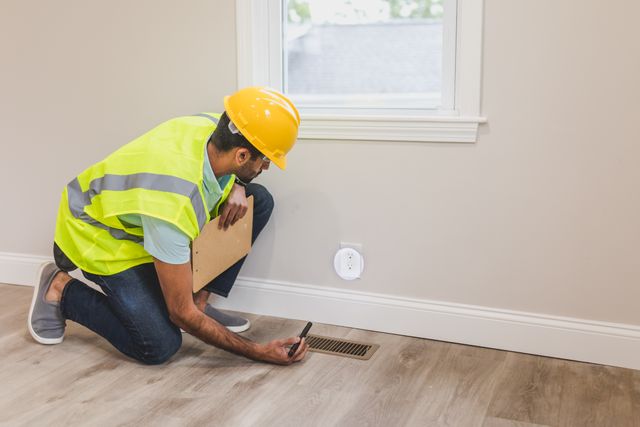
If these issues arise, landlords may deduct eligible costs from the deposit. However, the laws are very clear on what can and cannot be deducted from a tenant’s deposit. Allowable deductions include the following:
· The cost of replacing damaged or lost furniture, appliances, or other personal property.
· The cost of repairs due to tenant neglect or extreme wear and tear.
· Any cleaning costs incurred to restore the unit to its original condition.
· The amount of unpaid rent or fees.
On the other hand, landlords cannot deduct from the deposit for the following reasons:
· To cover the cost of home improvements or upgrades.
· To repair normal wear and tear.
· To cover normal turnover costs, such as cleaning, marketing, or maintenance.
If you deduct from a tenant’s deposit, you’ll be required to provide them with an itemized list of the damages and their cost. Photos, receipts, and invoices can also help support the deductions and reduce disputes. This will help you prove that all the deductions are valid and prevent disputes and Fair Housing claims from arising.
Security Deposit Return
Landlords in Georgia have 30 days after the tenant vacates the property to return the deposit, whether in full or whatever’s left after deductions are made. The refund should be mailed to the tenant’s last known address.

Failing to return a tenant’s deposit in time can have serious consequences, including fines and legal disputes. If tenants decide to take the matter to court and the judge rules in their favor, the landlord could be liable for 3 times the amount wrongfully withheld, as well as any attorney fees incurred.
Security Deposit Disputes
This typically happens when tenants believe that the deductions aren’t valid or the cost of the damages is too high. That’s why it’s important to document the damage through photos and videos, as well as keep copies of any receipts or invoices associated with the repairs. Most tenants will let go of the issue once they see this.
If a security deposit dispute can’t be resolved amicably, you might end up having to escalate the issue to Small Claims Court. As long as you have all the documentation mentioned above, as well as a copy of the itemized list shared with the tenants, you should be good.
Bottom Line
Georgia is generally considered a landlord-friendly state. However, the state has strict security deposit laws. Now that you know the state’s requirements for storing the deposit, making deductions, and returning the funds, you’re ready to rent out your Georgia property!
If you have specific questions about Georgia’s rental laws, don’t hesitate to contact RealtyWerx Property Management!
Disclaimer: This blog should not be used as a substitute for legal advice from a licensed attorney in your state. Laws frequently change, and this post might not be updated at the time of your reading. Please contact us for any questions you have regarding this content or any other aspect of your property management needs.
Looking for a reliable property management partner? Contact RealtyWerx Property Management Now!