
Key Takeaways
Georgia landlords must provide key disclosures at the start of a tenancy, including owner or agent contact information, security deposit terms, and a documented move-in inspection report to protect both parties during the lease.
Georgia tenants are responsible for paying rent on time, maintaining the property, and reporting repair issues, while landlords must keep rental units habitable, complete repair requests reasonably promptly, and follow legal eviction procedures.
Georgia landlord-tenant laws address important issues such as landlord entry, housing discrimination, security deposit handling, and dispute resolution, while generally prohibiting tenants from withholding rent over repair concerns.
Understanding the Georgia landlord-tenant laws is crucial for property owners. Georgia law addresses how security deposits are handled, what condition a property must be kept in, how disputes are resolved, and the legal process required for eviction.
While Georgia tends to offer landlords more flexibility than some states, there are still clear requirements that must be followed. We at RealtyWerx Property Management have put together this guide to help you understand your legal responsibilities.
Required Disclosures Landlord in Georgia Must Make
Georgia requires landlords to provide the following disclosures at the start of a tenancy to establish transparency and protect both parties:
Security Deposit Regulations
Georgia landlord-tenant law limits security deposits to two months' rent for residential leases entered or renewed on/after July 1, 2024.
Before collecting a deposit, landlords must provide tenants a comprehensive written list of existing damages to the property. This move-in inspection is a mandatory requirement under Georgia law.

After move-out, the landlord ie required to return the security deposit within 30 days, with a written, itemized statement listing any deductions made. Failure to follow inspection procedures forfeits the landlord's right to retain any portion of the deposit.
Landlord or Managing Agent Identity
Landlords have to disclose the name(s) and address of the Georgia property owner(s) or the individuals authorized to manage the rental and receive legal notices. This ensures residential renters know who to contact regarding lease concerns, repairs, or official communications.
Move-In Inspection Requirements
State law requires landlords to complete a move-in inspection and provide tenants with a written record of the property’s condition. Tenants must be given the opportunity to review and respond to this list, which becomes critical when determining damages at move-out.
Non-Refundable Fees
Georgia landlord-tenant law doesn’t require separate statutory disclosures specifically to identify non-refundable fees. That said, if there are any fees intended to be non-refundable, they should clearly be stated in the lease agreement.
Georgia Tenant Rights and Responsibilities
Tenants in Georgia have the right to live in a rental property that is in safe and habitable condition. This includes safe structural conditions and access to essential services such as water and electricity. Tenants are also protected from unlawful eviction and discrimination.
Tenants also have specific responsibilities under the lease and state law that help maintain the condition of the property and ensure a smooth rental relationship. These obligations are essential for avoiding disputes and staying in good standing throughout the tenancy.

Key responsibilities include:
- Paying rent on time and follow the lease agreement.
- Keeping the rental unit reasonably clean and avoid damage that exceeds normal wear and tear.
- Notifying the landlord when repairs are needed.
- Allowing access when the landlord enters for legitimate purposes.
Georgia Landlord Rights and Responsibilities
Landlords in Georgia have the right to enforce lease provisions, collect each month’s rent, and file eviction lawsuits when tenants violate lease terms. They may also inspect their property and deduct lawful charges from the security deposit when properly documented. These rights must adhere to Georgia law.
Landlords also have key responsibilities under the law that ensure rental properties remain safe, compliant, and properly managed throughout the tenancy. Landlords are expected to:
- Maintain the rental property in a habitable condition.
- Ensure structural components and essential systems are safe and functional.
- Address necessary repairs within a reasonable time after receiving notice.
- Follow Georgia’s legal eviction process and obtain a court order before removing a tenant.
An Overview of Georgia Landlord–Tenant Laws
Here’s are some additional elements of Georgia’s landlord-tenant laws:
Tenant Privacy Rights and Landlord’s Right to Enter
Georgia law does not set a specific notice requirement for landlord entry. In most situations, landlords are expected to provide reasonable, written notice before entering a rental unit for inspections, repairs, or showings. Entry without notice is generally limited to emergency situations.
Maintenance, Repairs, and Overall Condition
Landlords in Georgia must provide rental units that meet basic safety and habitability standards. This includes maintaining structural integrity and ensuring that essential systems such as plumbing and electricity are operational.
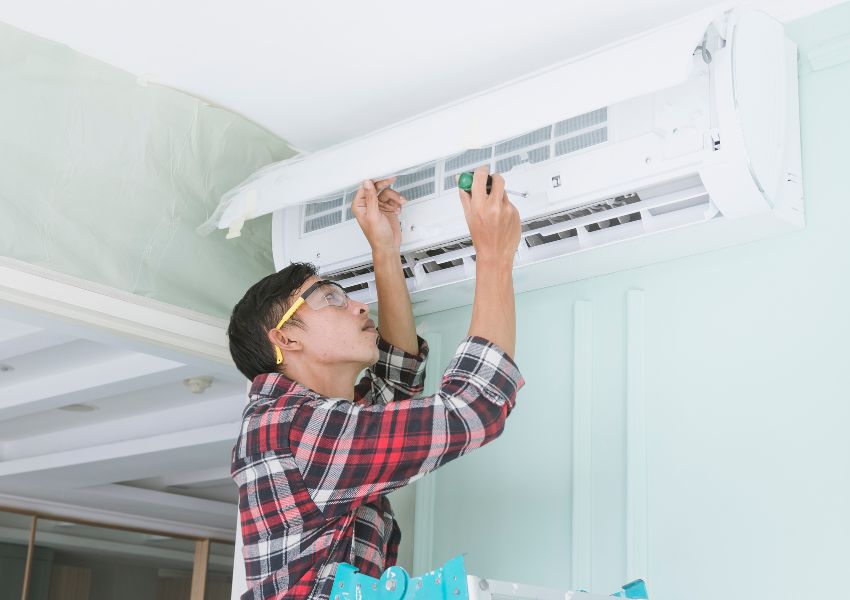
If the property owner fails to address serious repairs, even after receiving notice, then tenants may have legal options available to them.
Fair Housing Laws
Georgia landlords are required to adhere to the federal Fair Housing Act. As such, discrimination based on race, religion, color, sex, disability, national origin, or familial status is prohibited throughout the rental process, including tenant screening, property advertising, and lease term enforcement.
Tenants’ Rights to Withhold Rental Payments in Georgia
Georgia law generally does not let tenants withhold rent on the basis of repairs being needed. At all times, tenants must maintain monthly rent payments and may only pursue legal remedies if the landlord maintain the residential property. Withholding rent without legal authorization in the state of Georgia may result in eviction for nonpayment.
Small Claims Lawsuits in Georgia
Landlord-tenant disagreements involving smaller monetary amounts can be resolved in Georgia Magistrate Court. These cases commonly involve security deposit disputes, unpaid rent, or property damage issues. Magistrate Court provides a faster and more accessible process compared to higher courts, making it a practical option for resolving lower-value disputes.
Bottom Line
Georgia landlord-tenant law provides a framework for covering disclosures, rental housing, maintenance obligations, dispute resolution, and security deposits. Understanding these rules is essential for landlords to protect their investments and operate rental properties effectively.
If you have legal questions regarding Georgia rental law, consult a qualified Georgia attorney. Alternatively, working with a trusted property management firm such as RealtyWerx Property Management can help ensure compliance and simplify rental operations.
Disclaimer: This article is for informational purposes only and does not constitute legal advice. Laws may change, and this content may not reflect the most current updates. For legal guidance, consult a licensed attorney or professional property management company.