.jpg)
Key Takeaways
A true rental emergency threatens safety, causes ongoing property damage, or leaves a home without an essential service like heat, water, or a working toilet.
Routine repairs, such as a slow drip or a broken garbage disposal, can typically wait for a normal business-hours work order.
A written decision framework helps owners and residents sort requests quickly instead of guessing at 11 p.m.
Response time should match the classification, with life-safety issues needing same-day attention and routine issues scheduled within a few business days.
Georgia's freeze-thaw winters and the age of some Athens-area housing stock make certain emergencies, like burst pipes, more likely during cold snaps.
A resident calls at 9 p.m. because the toilet won't stop running. Another calls at 2 a.m. because there's no heat and it's 28 degrees outside. Both calls feel urgent to the person making them, but only one is a true emergency maintenance rental situation that requires an immediate response.
For owners across the greater Athens area, knowing the difference matters. Misclassifying a request either delays a real emergency or burns money on an after-hours dispatch that could have waited until morning.
RealtyWerx Property Management fields these calls across Athens, Watkinsville, Oconee County, and the surrounding communities we serve, and this guide walks through how to sort urgent repairs from routine ones, what response times to expect, and what residents should do while help is on the way.
What Counts as a True Emergency
A true emergency puts a person's safety at risk, threatens to cause serious property damage, or eliminates an essential service the home needs to be livable.

In the Athens area, the most common examples are:
No heat during cold weather, particularly when temperatures drop toward or below freezing.
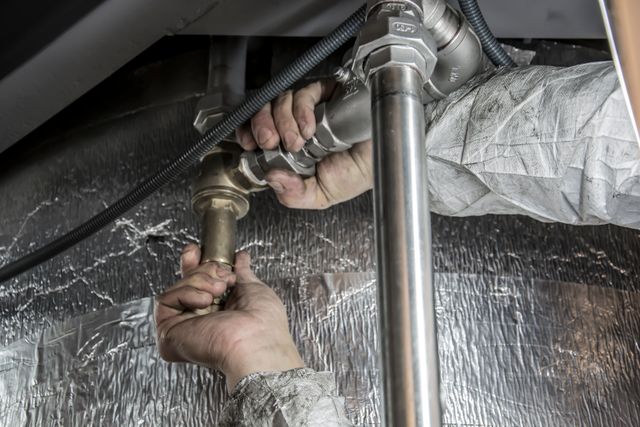
An active water leak or burst pipe, especially one that's spreading or won't stop.
A gas smell anywhere in or around the home.
No working toilet in a home with only one bathroom.
A sewage backup.
A resident locked out with no safe way to secure the home.
Exposed electrical wiring, sparking outlets, or a fire.
If any of these apply, the issue needs attention the same day, often within hours, not a scheduled visit next week.
What Does Not Qualify as an Emergency
Plenty of maintenance issues feel urgent to the person living with them but don't meet the emergency threshold. A dripping faucet, a running toilet in a home with a second bathroom, a refrigerator that's cooling slower than usual, a dishwasher that won't drain, or a cracked cabinet hinge are all real problems worth fixing.
They just don't require an after-hours maintenance response. These go into the normal work order queue and get handled during business hours, usually within a few days depending on the scope of the repair. For homeowners renting an Athens home, it is important to distinguish between emergency maintenance and routine maintenance.
A Simple Decision Framework
Owners and residents can sort most requests with three questions:
1. Is there an immediate safety risk, such as gas, fire, or electrical shock?
2. Will waiting make the damage worse, such as an active leak or a sewage backup?
3. Does the issue leave the home without an essential service, like heat, running water, or the only working toilet?

A "yes" to any of these means the request qualifies as emergency maintenance. A "no" to all three means it can wait for standard scheduling. This framework keeps decisions consistent instead of leaving them to whoever happens to be on the phone that night.
Expected Response Times by Category
Response time should match the category, not the caller's stress level:
Life-safety issues (gas smell, fire, exposed wiring): call 911 first, then notify the property manager immediately.
Property-damage emergencies (burst pipe, major leak, sewage backup): same-day response, often within a few hours.
No heat in freezing weather: same-day response given the health risk of extended cold exposure.
Lockouts: handled promptly, though after-hours lockout costs are frequently the resident's responsibility under most lease terms.
Routine repairs: scheduled within the next few business days, based on vendor availability.
What Residents Should Do While Waiting
While a repair is in progress, a few steps reduce damage and keep everyone safer:
Shut off the water at the fixture or main valve if there's an active leak.
Leave the home immediately if there's a gas smell, and avoid flipping light switches on the way out.
Take photos of the issue and note when it started.
Use safe, temporary measures for no-heat situations, like layering blankets, and avoid running an oven as a heat source.
Call the after-hours line and describe the problem clearly so it can be classified correctly the first time.
How Property Managers Handle After-Hours Emergency Calls
Part of what full-service maintenance coordination means in practice is having a process for the calls that come in at odd hours. RealtyWerx manages after-hours emergency requests the same way we manage the property day to day, by verifying what's actually happening, dispatching to a qualified vendor when the situation warrants it, and keeping the owner informed rather than leaving them to field the call themselves.
That's part of what "we manage your property like we own it" means when it's tested at 2 a.m. instead of during a routine inspection. Athens-area winters bring occasional hard freezes, and older homes with exposed or poorly insulated pipes are more prone to bursting during a cold snap. Planning for that risk before December, rather than reacting to it during one, is part of protecting the property year-round.
Bottom Line
Sorting emergency maintenance from routine repairs comes down to three questions: is there a safety risk, is damage getting worse, and is an essential service out entirely. Owners who apply that framework consistently avoid two costly mistakes, paying premium after-hours rates for issues that could have waited, and delaying repairs that needed same-day attention.
Athens-area housing adds an extra element that property owners need to be aware of, with occasional winter freezes that put older plumbing at higher risk than the calendar might suggest.
RealtyWerx Property Management built its maintenance coordination around that reality, treating every property the way we'd want our own home treated regardless of when the call comes in. If you're weighing whether your current approach to maintenance requests is holding up, request a free property consultation and we'll walk through how it works for your Athens-area rental.
Frequently Asked Questions
What Should I Do First If I Smell Gas In My Rental Home
Leave the home immediately without flipping light switches, lighting anything, or using electronics, since a spark can ignite gas that's accumulated in the air. Once outside, call 911 or the local gas utility's emergency line from a safe distance, then contact the property manager. Do not go back inside until a professional confirms it's safe. A gas smell is one of the few maintenance situations where calling emergency services comes before calling the property manager, not after.
Who Pays For After-Hours Emergency Repairs, The Owner Or The Resident
It depends on the cause and the lease terms. Genuine emergencies caused by normal wear, like a failed water heater or an aging HVAC system, are typically an owner expense. Damage caused by resident negligence, or a false emergency call for a non-urgent issue, may shift some or all of the after-hours cost to the resident, depending on the specific lease agreement. Reviewing how your lease and management agreement handle this split before an emergency happens avoids confusion when one occurs.
What Happens If A Resident Reports A Routine Issue As An Emergency
Property managers typically ask a few clarifying questions before dispatching an after-hours vendor, such as whether water is actively leaking, whether there's a safety concern, or whether the home has another working bathroom. If the issue doesn't meet emergency criteria, it gets logged as a standard work order and scheduled for regular business hours instead. This step protects owners from paying premium after-hours rates for problems that don't require them, while still taking every report seriously.
Does RealtyWerx Handle After-Hours Maintenance Calls For Managed Properties
Maintenance coordination is part of our full-service management, which includes handling after-hours emergency reports from residents so owners aren't the ones fielding a late-night call about a burst pipe or a heating outage. Requests get classified using the same emergency-versus-routine standard covered here, then routed to an appropriate vendor when the situation calls for it. Owners receive updates on what happened and what it involved, consistent with the monthly reporting and communication residents and owners can expect from us.
How Can Owners Reduce Emergency Maintenance Calls At Their Athens Rental
Preventive maintenance catches small problems before they turn into after-hours calls. Scheduling an HVAC inspection before summer and winter, insulating exposed pipes ahead of hard freezes, and addressing minor leaks promptly all reduce the odds of a 2 a.m. emergency. The University of Georgia Cooperative Extension recommends insulating exposed outdoor pipes and disconnecting hoses before the first hard freeze of the season, a step that's easy to overlook until temperatures drop.